
Psoriasis - More Than Just a Surface Problem
Psoriasis is a chronic autoimmune disease affecting millions worldwide.[1] The immune system mistakenly targets healthy skin cells, resulting in rapid keratinocyte proliferation and the development of thick, red, scaly, inflamed, and itchy plaques that may affect localized areas or extensive body surfaces. Globally, psoriasis affects approximately 125 million people, including an estimated 3.59 million individuals in India. The disease arises from a complex interaction between genetic susceptibility, immune activation, keratinocyte dysfunction, angiogenesis, oxidative stress, and environmental triggers. Key cytokines, including TNF-α, IL-23, IL-17A, and IL-22, drive chronic inflammation through dysregulated pathways such as JAK/STAT and NF-κB, leading to epidermal hyperproliferation and plaque formation.[2] Beyond physical symptoms, psoriasis significantly impairs quality of life through persistent itching, discomfort, visible skin lesions, emotional distress, and social stigma. Effective management focuses on the Triad of Relief: Immune Modulation, targeting the systemic cytokine cascade in deep dermal tissues; Deep Hydration, restoring the stratum corneum lipid matrix from the bottom up; and Barrier Repair, replenishing filaggrin and ceramides to reduce transepidermal water loss (TEWL) and strengthen skin barrier function.
Reference(s):
1. Chakith M R S, Pradeep S, Gangadhar M, et al. Advancements in understanding and treating psoriasis: a comprehensive review of pathophysiology, diagnosis, and therapeutic approaches. PeerJ. 2025;13:e19325. Published 2025 Apr 29. doi:10.7717/peerj.19325 https://pmc.ncbi.nlm.nih.gov/articles/PMC12047224/
2. Florian TL, Florian IA, Vesa SC, Beni L, Orăsan M. Inflammatory Cytokines and Clinical Outcome Following Biological Therapy in Adult Bio-Naïve Psoriasis Patients. Curr Issues Mol Biol. 2024;46(7):7719-7729. Published 2024 Jul 19. doi:10.3390/cimb46070457 https://pmc.ncbi.nlm.nih.gov/articles/PMC11276069/
Recent Videos
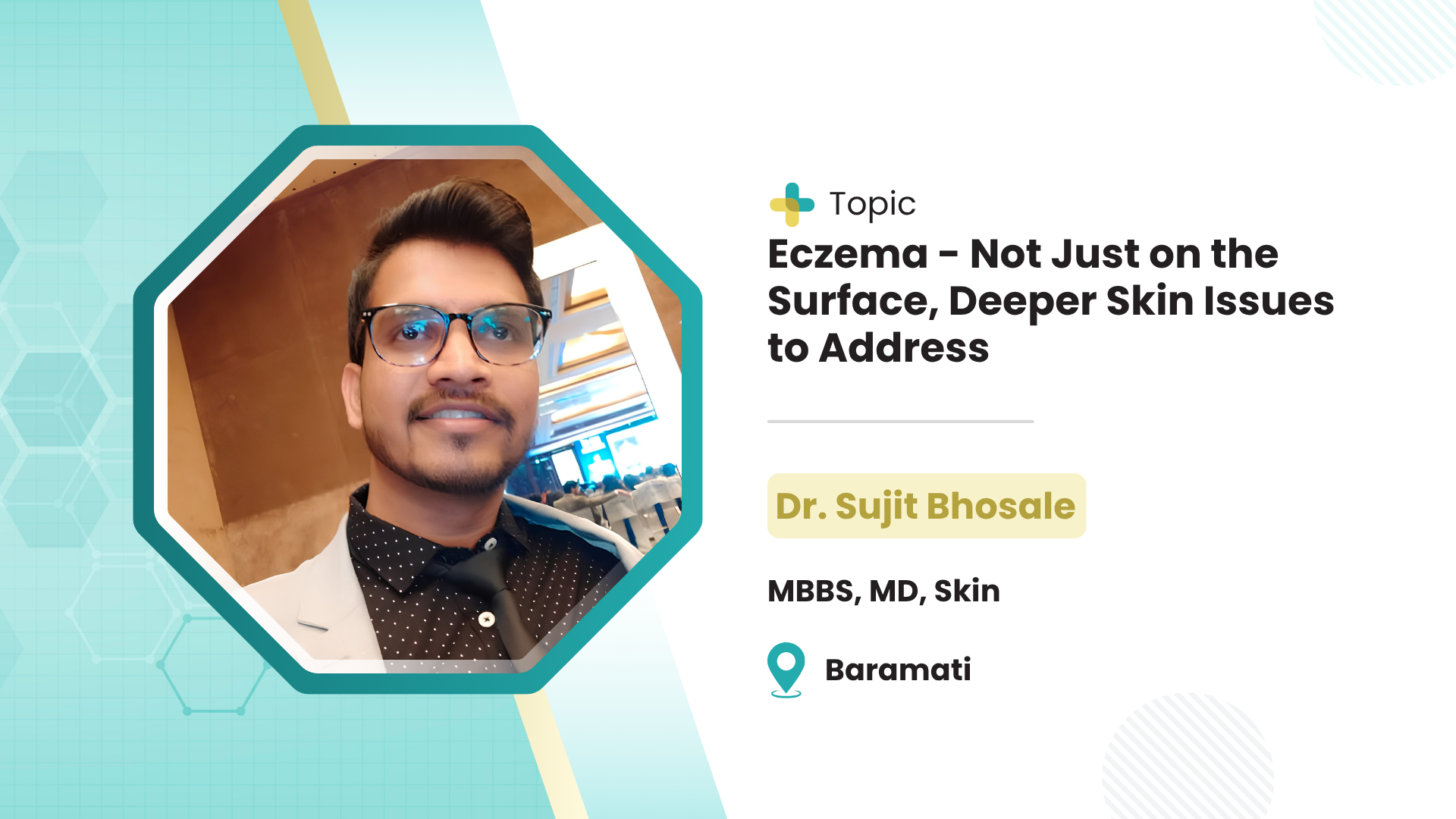
Eczema - Not Just on the Surface, Deeper Skin Issues to Address

Sensitive Skin: Needs Beyond Cleansing
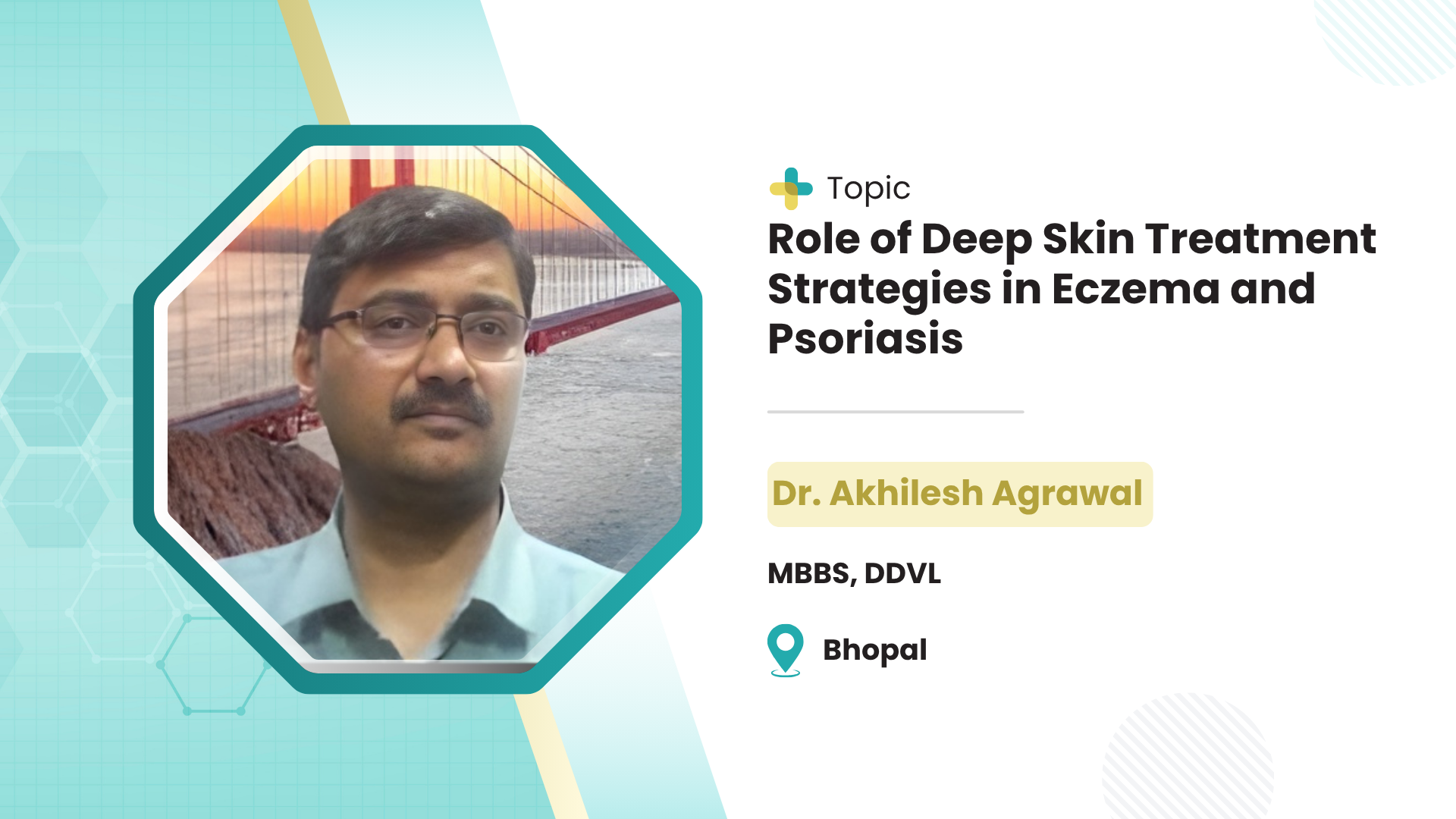
Role of Deep Skin Treatment Strategies in Eczema and Psoriasis

Eczema - Not Just on the Surface, Deeper Skin Issues to Address

Eczema - Not Just on the Surface, Deeper Skin Issues to Address

Sensitive Skin: Needs Beyond Cleansing

Sensitive Skin: Needs Beyond Cleansing